

Why Gutter installation Matters in Arkansas
Gutter installation is a important component of any new construction project in Arkansas. The state experiences a broad range of weather conditions, from intense spring rains to intense summer storms and occasional winter freezes. Without proper gutter systems, water can harm the foundation, walls, and landscaping of a home or commercial building. Gutter installation ensures that rainwater is directed away from the structure, protecting it from water damage and extending its lifespan.
Arkansas weather can be variable, and the right gutter system can make a significant difference in how well a building withstands these conditions. New construction projects must take into account for the local climate when planning for gutter setup. This includes evaluating the slope of the roof, the kind of materials used, and the particular needs of the location. Whether it’s in Little Rock, Fayetteville, or any other Arkansas city, the configuration process should be customized to the environment.
In Arkansas, the configuration of gutters is not just about aesthetics—it’s about operation and long-term protection. A thoughtfully created gutter system can stop issues like mold, wear, and framework damage. It also adds to the complete efficiency of the drainage system, making sure that water is correctly managed. For new construction, the setup of gutters is a necessary step that should not be ignored.
Frequent Gutter Types Used in Arkansas
When it comes to gutter installation in Arkansas, there are numerous types of gutters to evaluate. Each type has its own advantages and disadvantages, and the option often depends on the particular needs of the home and the local climate. The most typical types of gutters used in Arkansas include vinyl, aluminum, and steel. These materials are chosen for their durability, cost-effectiveness, and ability to withstand the region’s weather conditions.
Vinyl gutters are a popular choice for many residents due to their affordability and ease of installation. They are lightweight and resistant to rust and corrosion, making them suitable for areas with high humidity. Still, they may not be as sturdy as other materials and can become brittle over time, particularly in extreme weather conditions.
Aluminum gutters are another common option in Arkansas. They are lightweight, corrosion-resistant, and easy to maintain. These gutters are notably well-suited for the state’s humid summers and can withstand the heavy rainfall standard in the region. Their durability and low upkeep requirements make them a popular selection for both residential and commercial buildings.
Steel gutters are less common in Arkansas but are still used in some cases. They are strong and long-lasting, making them ideal for areas with heavy rainfall or extreme weather. Still, they are more high-priced than vinyl or aluminum and need regular upkeep to avoid rust and corrosion.
Vinyl Gutters in Arkansas
Vinyl gutters are a popular choice for new construction in Arkansas due to their affordability and ease of installation. These gutters are made from polyvinyl chloride (PVC) and are known for their resistance to weathering, fading, and cracking. They are also lightweight, making them easy to handle and install, which can save time and labor costs.
The cost of vinyl gutters in Arkansas is generally lower than other materials, making them an attractive option for budget-conscious homeowners. However, they may not be the best choice for areas with extreme weather conditions, as they can become brittle over time. In Arkansas, where heavy rains and high humidity are common, vinyl gutters can still perform well if installed correctly and maintained regularly.
Durability is a key factor when evaluating vinyl gutters. While they are not as strong as aluminum or steel, they can last for many years with correct care. In cities like Little Rock and Fayetteville, where the climate can be especially challenging, vinyl gutters are commonly used in areas with less severe weather patterns. They are also a good option for residents who prefer a low-servicing option.
Aluminum Gutters in Arkansas
Aluminum gutters are a well-liked selection for new construction in Arkansas, especially in areas with high humidity and regular rainfall. These gutters are lightweight, corrosion-resistant, and easy to maintain, making them a useful option for both residential and commercial buildings. In cities like Fort Smith and Bentonville, aluminum gutters are frequently preferred due to their ability to withstand the region’s weather conditions.
The weather in Arkansas can be unpredictable, with heavy spring rains and summer storms that can put a lot of strain on a gutter installation. Aluminum gutters are designed to manage these conditions, offering a balance between durability and affordability. They are also resistant to rust and can last for many years with minimal upkeep.
Maintenance is a essential consideration when choosing aluminum gutters. While they are relatively low-maintenance, they may require occasional cleaning and inspection to ensure they are functioning properly. In Arkansas, where the climate can be harsh, regular maintenance is essential to prevent clogs and leaks. Homeowners in cities like Little Rock and Fayetteville often choose aluminum gutters for their reliability and long-term performance.
How Arkansas Climate Affects Gutter Installation
The climate in Arkansas plays a significant role in determining the best approach to gutter installation. The state experiences a humid subtropical climate, characterized by hot, humid summers and mild winters. This climate can lead to heavy rainfall, specifically in the spring and summer months, which means that gutter setups must be designed to tackle large volumes of water efficiently.
In Arkansas, the installation of gutters must account for the region’s weather patterns. For example, Little Rock is known for its heavy spring rains, which can cause flooding if the drainage installation is not properly designed. Similarly, Fayetteville’s hilly terrain requires specialized gutter installation to manage runoff reliably. These elements mean that the gutter setup must be tailored to the specific requires of the site.
The climate also affects the materials used in gutter installation. In areas with high humidity, such as Fort Smith, aluminum gutters are frequently preferred for their resistance to corrosion. In contrast, vinyl gutters may be more suitable for areas with less severe weather conditions. The choice of materials and the design of the gutter setup must be thoroughly considered to ensure that it can withstand the region’s weather conditions.
Best Choices for Arkansas weather
Picking the right choices for gutter installation in Arkansas is crucial for ensuring long-term performance and durability. The state’s climate, with its mix of intense precipitation, high humidity, and frequent harsh weather, requires options that can withstand these conditions without decaying quickly. https://postheaven.net/columnbean54/a-complete-guide-of-what-is-the-best-gutter-size-for-arkansas-homes-critical
Aluminum is a top selection for many homeowners in Arkansas due to its small weight character, corrosion resistance, and ability to handle heavy rainfall. It is also relatively easy to maintain, making it a practical choice for new construction initiatives. In cities like Bentonville, where rapid development has resulted in updated building codes, aluminum gutters are commonly suggested for their trustworthiness and sustained effectiveness.
Vinyl gutters are another common choice, especially for property owners seeking an affordable option. They are immune to exposure and color loss, making them suitable for locations with high humidity. However, they may not be as durable as lightweight in harsh weather challenges. For properties in zones with less harsh climate, vinyl gutters can be a cost-effective selection.
Steel gutters are less commonly used in Arkansas but are still an choice for those who want a more robust and longer-lasting setup. They are suitable for areas with strong rain or extreme weather, but they come with a greater cost and require more care than metal or vinyl. In towns like Little Rock, where the environment can be very challenging, steel gutters may be considered for high-traffic or business real estate.
Cost of Gutter Installation in Arkansas
The expense of gutter installation in Arkansas can vary depending on several factors, including the type of materials used, the size of the property, and the complexity of the installation. On average, homeowners can expect to pay between $4 and $10 per linear foot for professional gutter installation. This range includes the cost of materials, labor, and any necessary accessories such as downspouts and brackets.
Plastic gutters are generally the most affordable option, with prices ranging from $3 to $6 per linear foot. These gutters are popular for their low cost and ease of installation, making them a good choice for budget-conscious homeowners. However, they may not be the best option for areas with extreme weather conditions, where durability is a priority.
Aluminum gutters tend to be slightly more expensive, with prices ranging from $5 to $9 per linear foot. They offer a good balance between cost and durability, making them a popular choice for many new construction projects in Arkansas. In cities like Fayetteville and Fort Smith, where the climate can be challenging, galvanized gutters are often recommended for their long-term performance and low maintenance requirements.
Iron gutters are the most expensive option, with prices typically ranging from $7 to $12 per linear foot. While they are more durable and long-lasting, they also require more maintenance and are less commonly used in residential settings. For commercial properties or high-traffic areas, steel gutters may be a suitable choice, but they are not as widely used in new construction projects.
Professional Gutter assembly Procedure
Professional gutter assembly is a critical step in any new construction project in Arkansas. A well-executed setup ensures that the gutter system functions properly, protecting the property from water damage and extending the lifespan of the structure. The setup process typically involves several key steps, each of which plays a role in the overall performance of the gutter system.
The first step in professional gutter setup is to assess the property and determine the specific needs of the project. This includes evaluating the roof’s slope, the amount of rainfall the area typically receives, and the type of materials that will be used. In Arkansas, where weather conditions can vary significantly, this assessment is essential for ensuring that the gutter system is designed to handle the local climate.
Once the review is complete, the next step is to install the gutter system. This involves measuring and cutting the gutters to fit the roofline, attaching them to the fascia boards, and securing them with brackets. In cities like Little Rock and Fayetteville, where the terrain can be challenging, this step may require additional planning and attention to detail.
After the gutters are installed, the next step is to connect the downspouts and ensure that they direct water away from the foundation. This is a crucial part of the installation process, as improper drainage can lead to water damage and other issues. In Arkansas, where heavy rainfall is common, proper drainage is essential for protecting the property from water-related damage.
Finally, the installation is complete, and the gutter system is reviewed to ensure that it is functioning correctly. This includes checking for leaks, ensuring that the gutters are properly aligned, and confirming that the drainage system is working as intended. In cities like Bentonville, where building codes are frequently updated, this final review is an important step in ensuring compliance with local regulations.
Arkansas Building Codes for Gutters
Arkansas has specific building codes and regulations that govern gutter installation, ensuring that all new construction projects meet security and functionality standards. These codes are designed to protect properties from moisture damage and to ensure that gutter systems are installed properly and smoothly. Grasping these regulations is vital for residents and builders involved in new construction projects in the state.
In Arkansas, the building codes for gutters typically include standards related to the size, location, and materials used in the installation. For example, the codes may specify the lowest size of gutters based on the structure area and the projected water in the region. In locations like Little Rock and Fayetteville, where intense periodic storms are usual, these requirements are especially vital for ensuring that the gutter system can manage substantial quantities of liquid.
Another key feature of Arkansas building codes is the necessity for proper runoff. Gutters must be set up in a way that channels liquid away from the base and into a suitable drainage system. This is especially important in areas with elevated moisture and regular storms, such as Fort Smith and Spring Hill. Refusal to follow with these regulations can lead in water injury, spores increase, and other problems that can influence the building sturdiness of the structure.
In addition to measurements and water flow requirements, Arkansas building codes also address the materials used in gutter installation. For example, the codes may specify the kinds of supplies that are permitted for use in different zones of the area. In Bentonville, where building codes are regularly updated, these standards are developed to make sure that gutter systems are both long-lasting and effective.
Indicators Your Gutters Require Maintenance in Arkansas
Even the best-designed gutter installations can develop problems over time, especially in Arkansas, where the climate can be challenging. Homeowners should be aware of the signals that indicate their gutters may call for repair to stop further damage to their building. Recognizing these signs early can assist avoid costly repairs and shield the structure from water-related issues.
One of the most common signals that gutters call for repair is water pooling around the foundation of the house. This can indicate that the gutters are not correctly directing water away from the building, leading to likely damage to the foundation and surrounding areas. In cities like Little Rock and Fayetteville, where heavy rainfall is typical, this concern can be particularly problematic.
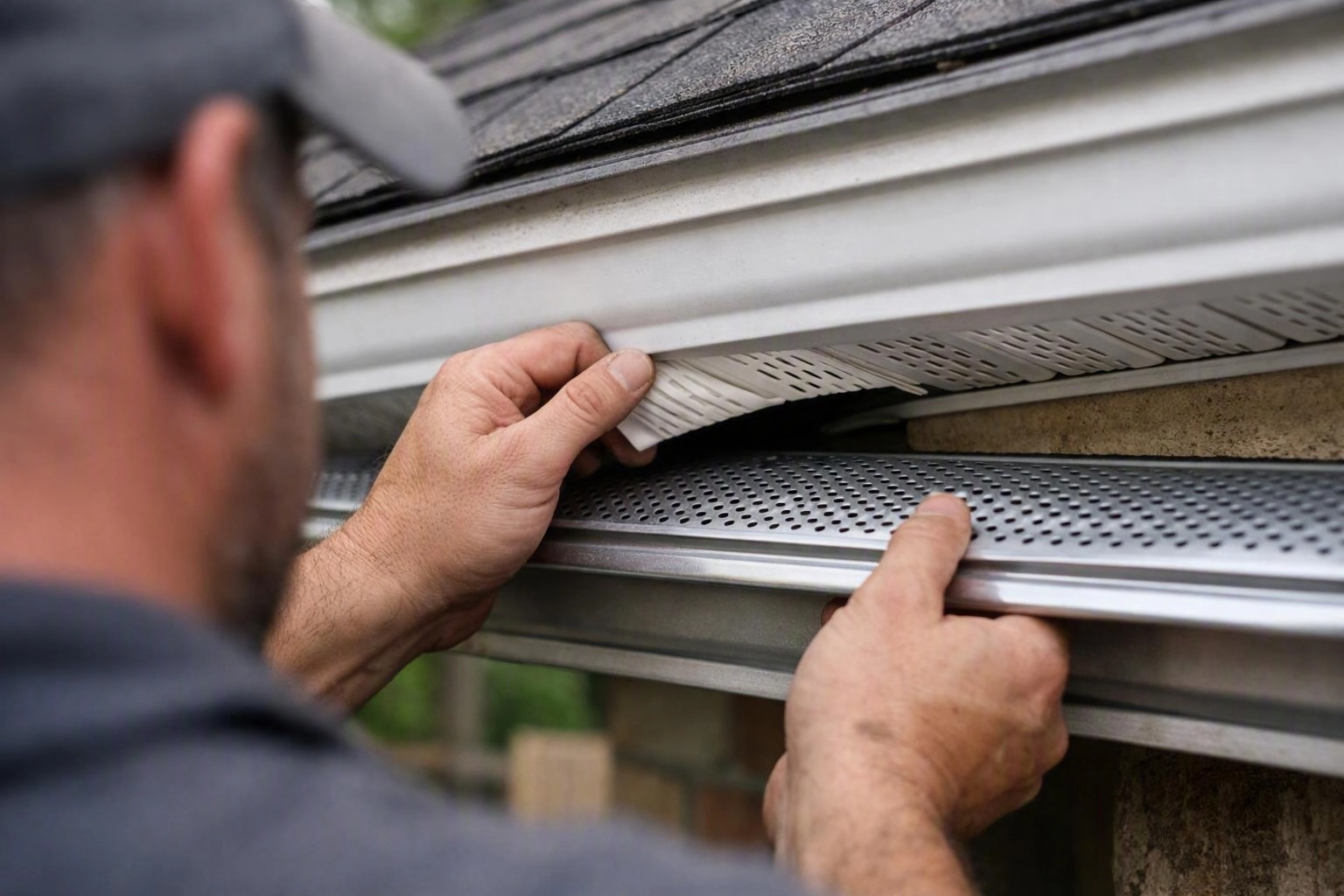
Another sign that gutters may require repair is noticeable sagging or bending. This can occur when the gutters become overloaded with debris or when the brackets become loose over time. In Arkansas, where the climate can be harsh, consistent servicing is essential to prevent this type of damage. Homeowners should inspect their gutters periodically to ensure they are properly aligned and secure.
Clogged gutters are another common issue that can lead to water damage. When gutters become clogged with leaves, twigs, and other debris, they can no longer effectively direct water away from the property. This can result in water overflowing the gutters and damaging the roof, walls, and foundation. In cities like Fort Smith and Spring Hill, where the climate can be particularly challenging, regular gutter cleaning is essential for maintaining the system’s effectiveness.
What constitutes the most common types of gutters used in Arkansas?
In Arkansas, the most common types of gutters used in new construction are vinyl, aluminum, and steel. Vinyl gutters are popular for their affordability and ease of installation, making them a good option for budget-conscious homeowners. Aluminum gutters are widely used due to their durability, corrosion resistance, and ability to handle the region’s weather conditions. Steel gutters are less common but are sometimes chosen for their strength and longevity, especially in areas with heavy rainfall or extreme weather. For dependable Gutter Installation in Arkansas in Arkansas, AGM Gutters provides experienced guidance and practical solutions.
How do weather patterns in Arkansas affect gutter installation?
The climate in Arkansas, marked by heavy spring rains, humid summers, and occasional extreme weather, has a major role in gutter installation. The installation process must take into account the region’s weather patterns, guaranteeing that the gutter system can efficiently manage large volumes of water. In cities like Little Rock and Fayetteville, where the terrain and weather can be hard, specialized installation techniques are frequently required to stop water damage and guarantee long-term performance.
What options are best suited for Arkansas weather?
Aluminum gutters are frequently regarded the best selection for Arkansas weather due to their ability to withstand rust, sturdiness, and skill to handle heavy rainfall. They are lightweight, low maintenance, and perfect for the state’s humid summers. Vinyl gutters are also a popular option for their cost-effectiveness and protection from weathering, while steel gutters are occasionally used in areas with severe weather. The choice of material varies depending on the particular needs of the property and the local environment.
What is the average price of gutter installation in Arkansas?
The typical cost of gutter installation in Arkansas is between $4 to $10 per linear foot, depending on the materials used and the complexity of the installation. Vinyl gutters are typically the most affordable option, with prices ranging from $3 to $6 per linear foot, while aluminum gutters typically cost between $5 and $9 per linear foot. Steel gutters are the costliest option, with prices ranging from $7 to $12 per linear foot. These costs are subject to change based on the size of the property and the specific requirements of the installation. https://dok.kompot.si/V0vOIi5aRly0YYDHxvnhWw
What are the processes involved in expert gutter installation?
Skilled gutter installation typically involves several key steps, such as assessing the property, measuring and cutting the gutters, attaching them to the fascia boards, and securing them with brackets. The installation also includes connecting the downspouts and making sure that water is properly directed away from the foundation. In cities like Little Rock and Fayetteville, where the terrain can be difficult, more planning and attention to detail are needed to ensure that the gutter system works effectively and complies with local building codes.