

Understanding Gutter Installation in Arkansas
Gutter installation in Arkansas is a essential aspect of home maintenance, especially given the region’s unique weather patterns. Arkansas is known for its fluctuating climate, with heavy rainfall in some areas and periods of high humidity that can affect the durability of materials. In cities like Little Rock, where the average annual rainfall reaches 50 inches, proper gutter installation is essential to prevent water damage to homes and foundations. Understanding the different gutter types and how they perform in local conditions can help homeowners make well-informed decisions about their roofing systems.
Arkansas is home to a selection of communities, each with its own set of challenges when it comes to gutter installation. For example, Fayetteville’s hilly terrain can lead to greater water runoff, requiring gutters that can manage higher volumes of water. Meanwhile, Springdale, near the Ouachita Mountains, may need gutters with better drainage solutions to manage the natural flow of water. These regional differences emphasize the importance of selecting the right gutter type for the particular location.
When it comes to gutter installation, the process involves more than just fastening a channel to the roof. It requires thorough planning, compliance to local building codes, and the use of premium materials. Whether you're installing gutters for the initially or replacing an old system, understanding the local climate and the available gutter types can create a noticeable difference in the long-term performance of your home's drainage system.
Common Gutter Types Used in Arkansas
There are several common gutter types used in Arkansas, each with its own advantages and disadvantages. The most popular options include K-style gutters, half-round gutters, aluminum gutters, and steel gutters. These types vary in design, material, and performance, making them suitable for different types of homes and weather conditions.
K-type gutters are the most commonly used in homes across Arkansas. Their design, which resembles the form of a crown trim, allows for a more smooth movement of water and a more aesthetically pleasing appearance. These gutters are found in a range of substances, including aluminum, steel, and vinyl, making them a versatile solution for different budgets and likes.
Half-round gutters, on the other hand, possess a more traditional appearance and are often used in historic or custom-built homes. These gutters are generally constructed of metal, such as aluminum or steel, and are recognized for their durability. However, they may be less efficient in handling large volumes of water compared to K-style gutters, which can be a consideration in areas with heavy rainfall.
Aluminum gutters are a popular choice for many homeowners in Arkansas due to their lightweight nature and resistance to rust. They are also relatively affordable and easy to install. However, they may not be the best option for areas with extreme weather conditions, as they can be more prone to dents and damage from heavy debris.
Steel gutters offer a more robust and durable option, especially in regions with harsh weather. They are often used in commercial or high-traffic areas, but they can also be a good choice for residential homes in Arkansas. However, steel gutters may require more maintenance over time, as they are more susceptible to corrosion if not properly coated or sealed.
How Arkansas Climate Affects Gutter Selection
The environment in Arkansas plays a significant role in choosing the best gutter types for a home. The state encounters a broad range of conditions, from substantial rainfall to high humidity and periodic extreme temperatures. These conditions can affect the performance and longevity of a gutter system, making it crucial to pick the right components and design for the area environment.
Rainfall is one of the most important conditions in gutter decision. Metropolitan areas like Little Rock and Fayetteville receive significant levels of precipitation throughout the time, which means gutters must be able to deal with considerable quantities of fluid without overflowing or blocking. In these regions, K-style gutters with a larger capacity are frequently chosen, as they can quickly lead water away from the property’s foundation.
Temperature variations in Arkansas can also influence the operation of gutters. During the cold periods, freezing heat can result in frost barriers to form, which can cause to fluid accumulation and likely harm to the ceiling and sides. Selecting gutters with proper covering or employing components that resist growth and shrinkage can support reduce these dangers. Furthermore, some property owners may opt for warm gutter devices in zones vulnerable to frozen accumulation, though this is less frequent in Arkansas compared to chilly zones.
Humidity amounts in Arkansas can contribute to the growth of fungus and fungus on gutters, especially in regions with inadequate circulation. This is why it's crucial to pick components that are resistant to corrosion and dampness. Metal and steel gutters, when properly handled, can supply improved defenses to humidity compared to various materials. Frequent maintenance, such as cleaning and reviewing for signals of degradation, is also crucial in maintaining the integrity of the gutter system.
Understanding how the Arkansas conditions affects gutter operation can aid residents make well-informed choices about their installation. Whether it's picking the right component or choosing a gutter type that can manage regional situations, the purpose is to guarantee that the unit works effectively for years to follow.
Top Options for Gutter Installation in Arkansas
When it comes to gutter installation in Arkansas, choosing the ideal options is important for long-term performance and resilience. The common employed choices include aluminium, metal, bronze, and vinyl, each with its own set of pros and disadvantages. The selection of compound typically relies on the particular demands of the residence, regional climate, and budget considerations.
Aluminum is one of the widely popular choices for gutter installation in Arkansas due to its lightweight character, cost-effectiveness, and protection to oxidation. It is also somewhat simple to set up and maintain, making it a practical solution for many homeowners. However, aluminium gutters can be higher susceptible to bumps and harm from large objects, especially in places with frequent cyclones or intense winds. Despite this, they continue a budget-friendly solution for many residential properties in the state.
Metal gutters are known for their power and sturdiness, making them a excellent option for properties in areas with substantial precipitation or severe weather. They are offered in both treated and non-corrosive steel forms, with the next giving greater protection to corrosion. However, metal gutters can be greater pricy than aluminium and may demand greater frequent service to prevent corrosion, especially in moist conditions. They are frequently favored in commercial or busy areas, but they can also be a ideal solution for living residences in Arkansas.
Bronze gutters are a premium solution that gives both aesthetic attraction and extended resilience. They are protected to corrosion and can create a organic patina over period, which many property owners find visually pleasing. However, brass gutters are considerably higher pricy than other options and may not be the ideal option for budget-conscious property owners. They are typically used in vintage or handmade residences, where the look impact of the gutters is a focus.
Plastic gutters are a more budget-friendly solution that is straightforward to install and service. They are immune to rust and oxidation, making them a excellent solution for residences in areas with intense dampness. However, plastic gutters can be greater susceptible to fracturing or bending in severe heat, especially in areas with large temperature fluctuations. They are ideal suited for residences with moderate conditions and may not be the most suitable solution for regions with substantial rainfall or frequent tempests.
Choosing the right component for gutter installation in Arkansas requires careful evaluation of the local environment, financial plan, and long-term maintenance needs. Whether it's the cost-effectiveness of aluminum, the durability of steel, the elegance of copper, or the straightforwardness of vinyl, each component supplies unique perks that can support protect a home from water damage.
Gutter setup Procedure in Arkansas
The gutter mounting process in Arkansas includes several essential procedures to guarantee that the system works efficiently and meets area structural standards. Whether you're working with a expert or doing it on your own, comprehending the process can help you formulate knowledgeable options and prevent common pitfalls.
The first procedure in the setup method is to examine the top and determine the ideal location for the gutters. This involves measuring the size of the perimeter and locating the spots where rain will travel most intensely. In cities like Little Rock and Fayetteville, where heavy rainfall is common, it's vital to ensure that the gutters are properly sized to handle the quantity of precipitation. This might require setting up extra drain pipes or employing larger gutter channels to stop overflow.
Once the placement is figured out, the subsequent procedure is to mount the gutters on their own. This generally includes fastening the gutters to the edge structure using holders or suspensions. The gutters should be inclined slightly to permit precipitation to flow toward the drain pipes, which subsequently direct the water from the house's base. Proper slope is vital to avoid precipitation from accumulating in the gutters, which can result to leaks and damage over time.
Skilled installation is often suggested, especially for bigger or more difficult tasks. In Arkansas, local professionals like AGM Gutters are skilled in dealing with the particular problems of gutter setup in the region. They can guarantee that the setup is set up correctly and adheres all regional structural regulations, which may change depending on the town or district. In the case of case, Little Rock and North Little Rock have unique requirements for gutter mounting that must be adhered to to guarantee conformity with local guidelines.
After the gutters are set up, the subsequent action is to perform ongoing service to maintain the system working adequately. This features clearing out trash, reviewing for leaks or damage, and verifying that the drain pipes are guiding rain away the residence. In Arkansas, where the climate can be uncertain, ongoing care is vital to avoid challenges that could result to water injury or structural problems.
By adhering the proper installation process and working with experienced experts, homeowners in Arkansas can ensure that their gutter system provides long-term protection against the elements.
Price of Gutter Installation in Arkansas
The price of gutter installation in Arkansas can vary depending on several factors, including the variety of type selected by gutters, the size of the home, and the difficulty of the installation. In cities like Little Rock, Fayetteville, and Springdale, homeowners can expect to pay anywhere from $3 to $10 per linear foot for qualified installation, depending on the materials used and the scope of the project.
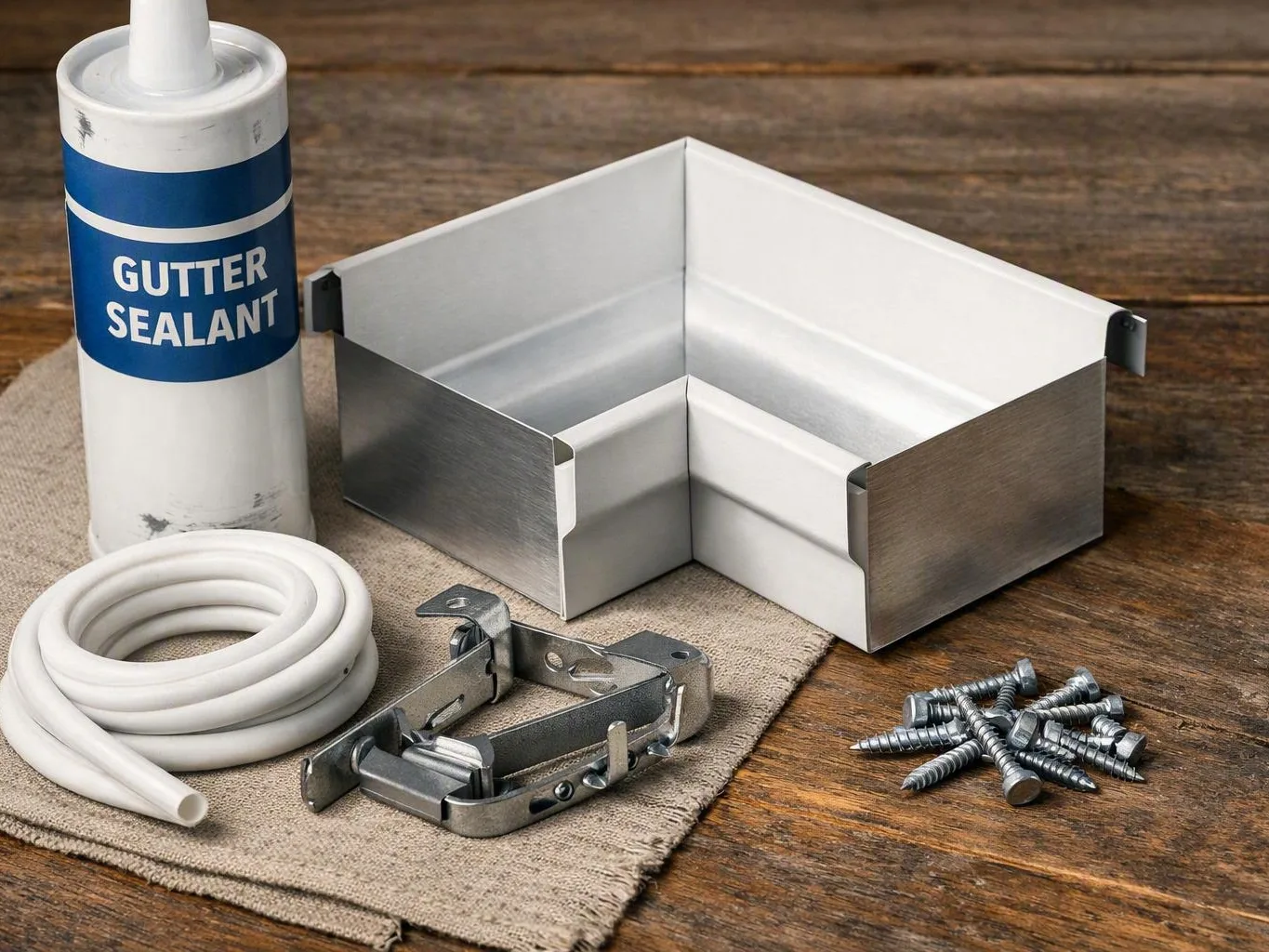
One of the main factors that influence the cost of gutter installation is the type of material selected. Aluminum gutters are generally the most affordable option, with prices ranging from $3 to $5 per linear foot. Steel gutters, which offer greater durability, can cost between $5 and $8 per linear foot. Copper gutters, while more expensive, typically range from $8 to $10 per linear foot, making them a premium choice for homeowners who prioritize aesthetics and long-term performance.
Vinyl gutters are another cost-effective option, with prices usually falling between $3 and $6 per linear foot. They are lightweight and easy to install, making them a popular choice for homeowners looking to keep costs low. However, vinyl gutters may not be the best option for areas with heavy rainfall or extreme weather conditions, as they can be more prone to cracking or warping over time.
In addition to supply costs, the dimensions and complexity of the installation can also impact the total price. Residences with larger roof structures or several floors may need more gutters and downpipes, which can increase the entire expense. In cities like Fort Smith and Bentonville, where the property industry is growing, the demand for gutter installation has led to a range of costing, enabling property owners to choose a option that fits their financial plan and requirements.
It's also important to take into account the expense of care when designing for gutter installation. While some substances may be more expensive at first, they can cut money in the long run by requiring less frequent replacements or updates. In Arkansas, where the weather can be unpredictable, putting money into in a superior gutter system can support shield a home from water-related issues and cut the demand for costly repairs later on.
By comprehending the aspects that affect the expense of gutter installation in Arkansas, homeowners can make well-informed options that balance their resources with the extended gains of a well-designed and adequately set up gutter configuration.
Maintaining Gutters in Arkansas: Tips for Homeowners
Maintaining gutters in Arkansas is vital to ensure they operate properly and protect a home from moisture damage. The state's changing weather conditions, including torrential rain and elevated moisture, can lead to clogs, drips, and other issues that demand regular attention. By following a few simple maintenance tips, homeowners can keep their gutter systems in good condition and prevent costly fixes.
One of the most key maintenance duties is routine cleaning. Gutters can become blocked with plant matter, twigs, and other materials, especially during the season when trees lose their leaves. In cities like Little Rock and Fayetteville, where the environment supports a wide variety of plants, it's advised to clean gutters no less than twice a year—a single time in the early season and one time in the fall. This supports prevent blockages that can cause water to flow over and ruin the home's groundwork or walls.
Inspecting gutters for symptoms of damage is another crucial step in upkeep. Homeowners should examine for fissures, seepage, or loose sections that may demand attention. In locations with high humidity, such as Springdale and Fort Smith, it's also significant to inspect for symptoms of rust or corrosion, especially if the gutters are made of metal. Dealing with these issues early can stop more extensive destruction and lower the need for costly maintenance.
Another key aspect of gutter maintenance is ensuring that water channels are working properly. Downspouts should guide water far from the home's base, and any obstructions or obstacles should be cleared promptly. In some cases, homeowners may need set up extensions or rain guards to help divert water further from the house, especially in areas with heavy rainfall.
Working with local experts can also be beneficial when it comes to gutter care. In Arkansas, firms like AGM Gutters offer services that can support homeowners with cleaning, repairs, and reviews. https://md.interhacker.space/rK5XC1oPRLmwrYyfMqbDzQ These professionals are familiar with the area environment and can provide directions on the best maintenance methods for the particular region. https://text.dsf.hs-heilbronn.de/ToKjLLo6Rd6PlI8BzIyFQA
By keeping prepared with gutter service, property owners in Arkansas can make sure that their systems continue functional and protect their homes from hydrological issues. Regular cleaning, checks, and prompt corrections are all essential steps in maintaining a trustworthy and lasting gutter installation.
Regional Gutter Installation Services in Arkansas
Residents in Arkansas have access to a variety of area gutter installation support that can assist them pick the right system for their homes. Cities like Little Rock, Fort Smith, Bentonville, and North Little Rock are property to multiple reputable companies that specialize in gutter installation, repair, and servicing. These area services are familiar with the unique challenges of the region, including the climate, building codes, and common weather-related problems.
In Little Rock, for example, many property owners rely on regional contractors who know the city's specific calls for. The city's average rainfall and urban environment require gutters that can tackle high volumes of water while maintaining a clean and functional appearance. Companies in the area frequently offer a range of gutter types, including K-style and half-round alternatives, to suit different preferences and budgets.
Fort Smith is another area where regional gutter installation services play a key role in protecting homes from the elements. The city's location and climate mean that gutters must be durable and able to withstand varying weather conditions. Local professionals in Fort Smith are well-versed in the best materials and installation techniques for the region, ensuring that homeowners receive a system that meets their needs and complies with local regulations.
Bentonville, known for its growing residential areas, has seen an increase in demand for high-quality gutter systems. Many homeowners in the area choose to work with local contractors who offer a range of options, from affordable aluminum gutters to more durable steel or copper alternatives. These professionals are also familiar with the city's building codes and can help ensure that installations meet all necessary requirements.
North Little Rock, like other parts of Arkansas, has its own set of challenges when it comes to gutter installation. The city's proximity to waterways and its mix of residential and commercial properties require gutters that can handle both heavy rainfall and regular use. Local services in North Little Rock are equipped to handle these needs, providing homeowners with reliable and long-lasting solutions.
By working with local gutter installation services, homeowners in Arkansas can guarantee that their systems are properly installed, maintained, and suited to the region's specific conditions. These professionals offer the expertise and knowledge needed to make the installation process smooth and effective, helping to safeguard homes from water damage and other potential issues.
What are the most common types of gutters used in Arkansas?
The most common types of gutters used in Arkansas feature K-style gutters, half-round gutters, aluminum gutters, and steel gutters. K-style gutters are well-liked for their efficiency and aesthetic appeal, while half-round gutters provide a traditional look. https://hedgedoc.uni-ak.ac.at/V76eMLB_TS-3Xm3UkP3z7A Aluminum and steel gutters are generally used due to their durability and resistance to corrosion, making them well-suited for the state's climate.
How do climate conditions in Arkansas affect gutter installation?
Arkansas's climate, characterized by heavy rainfall, high humidity, and occasional extreme temperatures, significantly impacts gutter installation. The need for efficient water drainage is important, especially in cities like Little Rock and Fayetteville, where annual rainfall can exceed 50 inches. Proper installation must take into account these conditions to prevent water damage and ensure long-term performance.
What materials are best suited for Arkansas weather?
Materials such as aluminum, steel, and copper are ideal for Arkansas weather due to their durability and resistance to corrosion. Aluminum is lightweight and affordable, while steel offers greater strength. Copper, though more expensive, provides long-term durability and a unique aesthetic appeal. Vinyl is also applied in some areas, though it may not be ideal for extreme weather conditions.
What is the typical cost of gutter installation in Arkansas?
The typical cost of gutter installation in Arkansas spans from $3 to $10 per linear foot, depending on the materials used and the complexity of the installation. Aluminum gutters are generally the most affordable, while copper gutters are a high-end option. In cities like Little Rock, Fayetteville, and Springdale, prices can change based on local market conditions and the specific needs of the home.
What are the processes involved in expert gutter setup?
Expert gutter installation includes several important processes, including assessing the roof, identifying the position of gutters, installing the system, and ensuring proper slope for water movement. Local experts in Arkansas comply with these processes to guarantee that the gutters operate effectively and meet all standards. Ongoing care and inspections are also advised to ensure the system in working order over period.