

Critical Rules for Gutter Installation in Arkansas
Gutter installation in Arkansas is governed by a set of construction codes and local ordinances that differ by town. In Fort Smith, for example, the community enforces specific regulations to make sure that gutters are placed accurately and safely. These regulations are created to guard residences from liquid harm and to preserve the integrity of the nearby area. Knowing these guidelines is vital for anyone looking to set up or update gutters in the area.
Arkansas, like many areas, has statewide building codes that supply a foundation for building methods. However, local towns frequently add their own conditions. In Fort Smith, for example, the regional authority may impose gutters to be mounted with a particular gradient to make sure proper water flow. These regulations are updated periodically, so it's crucial to review the most recent versions or talk with a municipal contractor who is knowledgeable with the current rules.
Local rules in Arkansas also play a important part in figuring out what is permitted during gutter installation. These can include limitations on the variety of supplies used, the placement of gutters, and even the elevation of the gutter setup. In a few places, residents may need acquire a permit before commencing any setup project. This ensures that the endeavor complies to the local standards and prevents likely court issues.
For people seeking to set up gutters in Arkansas, it's crucial to research the exact regulations in their city. Whether you're in Fort Smith, Little Rock, or another area, being aware of the rules can help you prevent delays and guarantee that your gutter unit is both functional and compliant.
How Climate Affects Gutter Installation in Arkansas
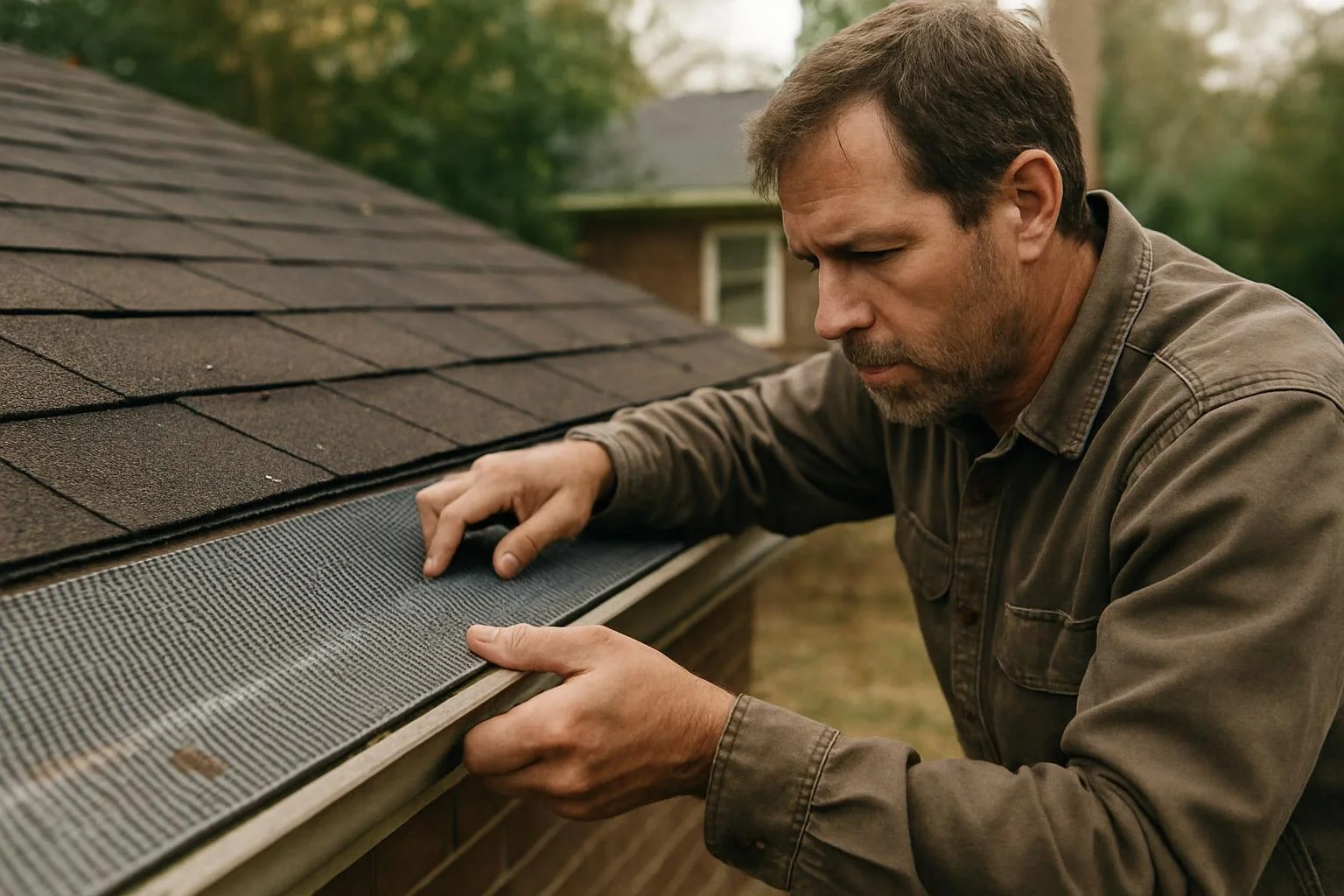
Arkansas weather can have a significant impact on the way gutters are installed and maintained. The state experiences a wide range of weather conditions, from heavy rainfall to occasional severe storms. In Fort Smith, for example, the climate is characterized by a humid subtropical environment, with substantial rainfall throughout the year. This means that gutter installations must be designed to handle large volumes of water efficiently.
Storm season in Arkansas generally runs from late spring to early fall, bringing with it the likely for intense thunderstorms and heavy downpours. These conditions can lead to flooding, specifically in areas with poor drainage. https://pad.stuve.de/3fwlGul3Rq-OgqrIBH7ssQ In Fort Smith, where the annual rainfall is higher than in many other parts of the state, gutter installation must be closely planned to prevent water from pooling around the foundation of a home.
Rainfall patterns in Arkansas also influence the type of gutter setups that are most effective. In areas with high rainfall, such as Fort Smith, larger gutters with a greater capacity are commonly recommended. This supports to manage the increased water flow and lower the risk of overflow. Moreover, the design of the gutter setup must account for the area topography. In Fayetteville, for instance, the hilly terrain needs specialized installation techniques to confirm that water is directed away from the property reliably.
Recognizing the regional climate is vital for anyone planning to install gutters in Arkansas. Whether you're in Fort Smith, Little Rock, or another city, the weather conditions in your area will play a key role in determining the best approach to gutter installation.
Impact of Arkansas Weather on Gutter Materials
The Arkansas climate has a direct impact on the choice of gutter materials. In areas like Fort Smith, where the weather is humid and rainfall is frequent, materials that are resistant to corrosion and rust are essential. Common materials used in gutter installation include aluminum, steel, and vinyl, each with its own advantages and disadvantages.
Aluminum gutters are a popular choice due to their lightweight and resistance to rust. They are also relatively affordable and easy to set up. Still, they may not be the best option for areas with heavy snow or ice, as they can be prone to wear. In contrast, steel gutters are more long-lasting and can withstand harsh weather conditions, but they are more costly and require consistent upkeep to prevent rust.
Vinyl gutters are another option that is gaining popularity in Arkansas. They are resistant to rust and corrosion, making them a good option for areas with high humidity. Nevertheless, they may not be as strong as metal gutters and can be more susceptible to damage from extreme weather conditions.
In Fort Smith, where the weather can be unpredictable, choosing the right materials is crucial. Homeowners should consider the local climate and the specific needs of their home when selecting gutter materials. This ensures that the system is not only functional but also long-lasting and cost-effective.
Popular Gutter Types Used in Arkansas
In Arkansas, several types of gutters are commonly used, each with its own benefits and suitability for different environments. In Fort Smith, for example, metal gutters are a popular choice due to their durability and resistance to corrosion. These gutters are lightweight and easy to install, making them a practical option for many homeowners.
Fayetteville and Springdale also see a high demand for plastic gutters. These gutters are famous for their affordability and minimal upkeep requirements. They are resistant to rust and can endure the humid conditions found in the region. However, they may not be as sturdy as steel gutters and can be more prone to damage in severe conditions.
In areas like Jonesboro and North Little Rock, steel gutters are often used for their strength and endurance. These gutters are ideal for homes that are located in regions with frequent rain or frequent storms. However, they require periodic care to prevent rust and maintain best results.
For homeowners in Rogers and Bentonville, metallic gutters are a more premium option. https://pad.batsense.net/k_WQWQX5TTOi6Xdz5FZM1A These gutters supply a special aesthetic appeal and are highly durable. They are immune to corrosion and can endure for many years with proper care. However, they are costlier than other options and may not be the ideal option for all budgets.
Choosing the right type of gutter for your home in Arkansas depends on several factors, including the regional weather, the building design of your home, and your money limit. Consulting with a local contractor can guide you to the best option for your particular requirements.
Professional Gutter installation in Arkansas
The experienced gutter setup in Arkansas involves multiple key stages to make sure that the installation is installed correctly and functions efficiently. In Fort Smith, for example, local contractors follow a structured approach that begins with an initial assessment of the property's needs. This includes evaluating the roofline, determining the suitable gutter size, and spotting any possible concerns that may affect the installation.
Once the assessment is comprehensive, the next step is to prepare the site. This involves clearing the area around the property and making sure that there is appropriate access for the installation team. In some cases, additional work may be required, such as reinforcing the roof or adjusting the existing structure to accommodate the new gutter system.
The actual installation process involves securing the gutters to the fascia board, ensuring that they are properly sloped to allow for effective water drainage. In areas like Little Rock and Fayetteville, where the terrain can be more challenging, contractors may use specialized techniques to ensure that the gutters are installed correctly and efficiently.
After the installation is complete, the final step is to test the system to ensure that it is functioning as intended. This includes checking for leaks, verifying that water is being directed away from the foundation, and making any necessary adjustments. In Fort Smith, local contractors often provide a warranty or guarantee for their work, giving homeowners peace of mind and confidence in the quality of the installation.
For those looking to install gutters in Arkansas, working with a professional contractor is essential. This ensures that the job is done correctly and that the system meets all local regulations and requirements.
Cost of Gutter Installation in Arkansas areas
This cost of gutter installation in Arkansas can change depending on the region, the type of components used, and the level of the project. In Fort Smith, for instance, the typical price for a typical steel gutter installation varies from $3 to $7 per footage foot. This encompasses the cost of components, work, and any necessary licenses. However, the final price can be impacted by reasons such as the size of the home, the number of gutters needed, and any extra attributes like debris covers.
In Little Rock, the cost of gutter setup is akin to that of Fort Smith, but there may be a few changes based on regional work charges and supply supply. Property owners in Fayetteville and Springdale may also see differences in cost due to the specific needs of their homes and the regional business circumstances. For example, in Fayetteville, where the terrain is more uneven, the setup procedure may be higher complex, leading to higher overall expenses.
In areas like Rogers and Bentonville, where the requirement for gutter installation is increased, costs may be slightly higher due to higher contest among builders. However, this can also lead to better assistance and greater possibilities for property owners. It's vital to obtain various proposals from local contractors to guarantee that you are obtaining a just price for your task.
When considering the price of gutter installation in Arkansas, it's also crucial to consider in the prolonged merits. A well-installed gutter system can help stop liquid harm, lower care expenses, and increase the combined value of your residence. In Fort Smith, where the climate can be challenging, putting in in a premium setup is often a sensible option.
Maintaining Gutters in Arkansas: Cleaning and Fixes
Maintaining gutters in Arkansas is vital to ensure that they work properly and protect your home from water damage. In Fort Smith, where the climate is damp and rainfall is common, gutters can easily get clogged with leaves, twigs, and other debris. This can cause water overflow which can harm the foundation of your home and lead to other challenges.
Ongoing upkeep is one of the most important aspects of gutter maintenance. In Arkansas, it's suggested to clean gutters at least twice a year, typically in the first half of the year and fall. This helps to remove any accumulation that may have built up over the last few months and ensures that the system is functioning as intended. In areas like Little Rock and Fayetteville, where the weather can be unpredictable, higher cleaning may be necessary to avoid blockages and water damage.
In addition to care, fixes are also an significant part of gutter care. As time passes, gutters can experience leaks, become loose, or suffer harm from severe weather. In Fort Smith, where the bad weather period can be severe, it's vital to inspect your gutters often for indications of damage. If any problems are found, it's advisable to resolve them immediately to prevent additional harm. https://catsupcheque13.bravejournal.net/smart-tips-for-choosing-gutter-installation-in-pine-bluff
For homeowners who are not sure about how to correctly handle their gutters, it's a good idea to hire a professional. In Arkansas, numerous nearby professionals provide maintenance services that involve maintenance, repairs, and checks. This can assist in making sure that your gutter system is in optimal state and functioning effectively.
Building Codes and Permits for Gutters in Arkansas
Building regulations and licenses for gutters in Arkansas play a significant role in ensuring that all works meet regional requirements. In Fort Smith, for example, the city demands that all gutter projects follow with particular building codes that are created to protect homes from water damage. These codes may cover conditions for the kind of supplies used, the slope of the gutters, and the position of water pipes.
Obtaining a license for gutter setup is frequently required in Arkansas, especially in bigger towns like Little Rock and Fayetteville. This method requires submitting an request to the regional construction office and settling a cost. The permit guarantees that the installation is examined and accepted, providing confidence for residents. In Fort Smith, the local government may furthermore mandate that contractors have the correct licenses and certifications to carry out the work.
In certain regions, such as Springdale and North Little Rock, building regulations may be more strict because of the particular needs of the community. For case, in Springdale, where there has been quick growth, the standards may contain extra conditions to ensure that gutter systems are created to handle the higher volume of liquid. This supports to stop overflow and other issues that can occur from inadequate water management.
Understanding the building regulations and approval guidelines in your region is essential for anyone seeking to install or replace gutters. In Arkansas, it's vital to partner with a area contractor who is familiar with the guidelines and can help you through the process. This provides that your gutter setup is set up accurately and satisfies all area requirements.
Gutter Installation in Nearby Arkansas communities
Gutter installation in adjacent Arkansas regions, including Little Rock, Rogers, & Bentonville, follows comparable guidelines but may have distinct considerations based on local factors. In Little Rock, as instance, this municipality has its own set of regulations that regulate gutter installations. These rules are intended to ensure that every systems are placed properly and meet this requirements of the community. Residents in Little Rock must review regional sources to understand the particular standards for their area.
Rogers, a expanding city in this northwest region of Arkansas, possesses seen a increase in new construction, that possesses led to updated building codes for gutters. These codes often demand larger gutters and more sturdy components to handle this higher precipitation and storm activity. In Rogers, residents must work with local contractors who are knowledgeable with this latest rules and can offer advice on the best choices for their residences.
Bentonville, recognized for their business growth, has more strict stormwater handling guidelines for gutter systems. Those guidelines are in place to guarantee that water is correctly managed and does not cause harm to the adjacent area. At Bentonville, homeowners could need to set up additional water management options to meet these requirements. This can include bigger gutters, storm barrels, or other units designed to manage heavy rainfall.
For those considering gutter installation in these nearby areas, it's important to investigate this specific regulations and requirements. Collaborating with a local professional who understands this local standards can help ensure which your project is completed properly and effectively.
What are the most typical kinds of gutters utilized in Arkansas?
In Arkansas, the most typical kinds of gutters include aluminum, vinyl, and steel. Aluminum gutters are popular due to their lightweight and resistance to rust. Vinyl gutters are affordable and minimal care, creating them a excellent option for many residents. Steel gutters are more sturdy and suitable for areas with heavy precipitation or extreme weather factors. Regarding dependable Gutter Installation in Arkansas in Arkansas, AGM Gutters offers knowledgeable guidance and realistic options.
How do climate conditions in Arkansas affect gutter installation?
Arkansas has a humid subtropical climate with major rainfall throughout the year, especially in cities like Fort Smith. This means that gutter systems must be designed to handle large volumes of water. Rainy season, which typically runs from late spring to early fall, can bring intense thunderstorms and heavy downpours, needing gutters to be installed with proper slope and drainage to prevent water damage.
What materials are best suited for Arkansas weather?
In Arkansas, materials that are resistant to corrosion and rust are ideal for gutter installation. Stainless steel gutters are frequently used due to their durability and ability to withstand the region's humid conditions. Galvanized steel gutters are also a good option for areas with heavy rainfall or extreme weather, though they need more upkeep to stop rust.
What is the typical cost of gutter installation in Arkansas?
The standard cost of gutter installation in Arkansas varies depending on the city and the type of materials used. In Fort Smith, for example, the average cost for a standard steel gutter setup ranges from $3 to $7 per linear foot. In other cities like Little Rock and Fayetteville, the cost may be similar, but it can vary based on area labor rates and material availability.
What are the stages involved in qualified gutter installation?
The professional gutter installation process in Arkansas typically begins with an assessment of the home's needs. This includes evaluating the roofline and determining the appropriate gutter size. The next step is site preparation, followed by the actual installation of the gutters. After installation, the system is tested to ensure it functions properly. In Fort Smith, local contractors often provide a guarantee for their work, ensuring that the installation meets all local regulations and requirements.